
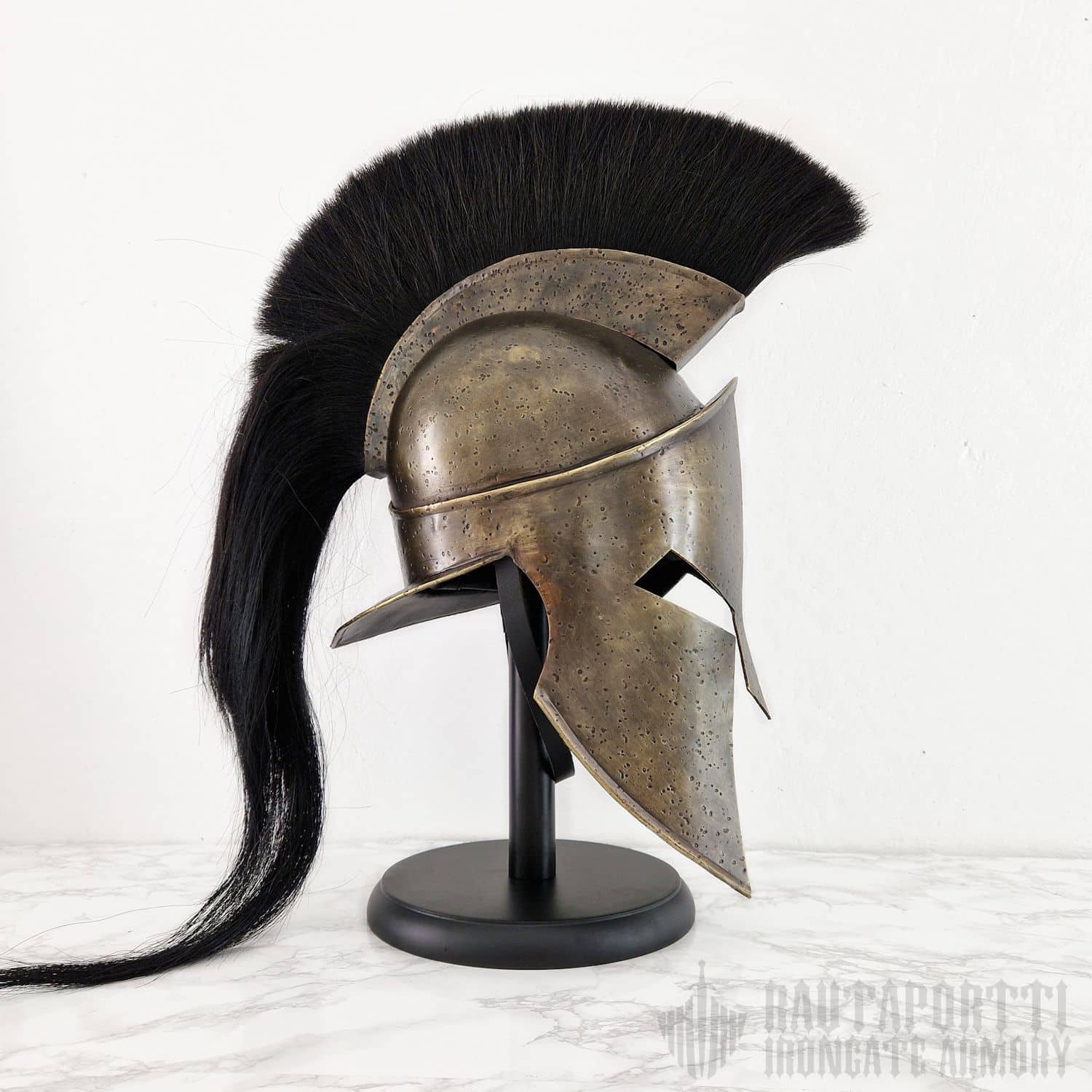
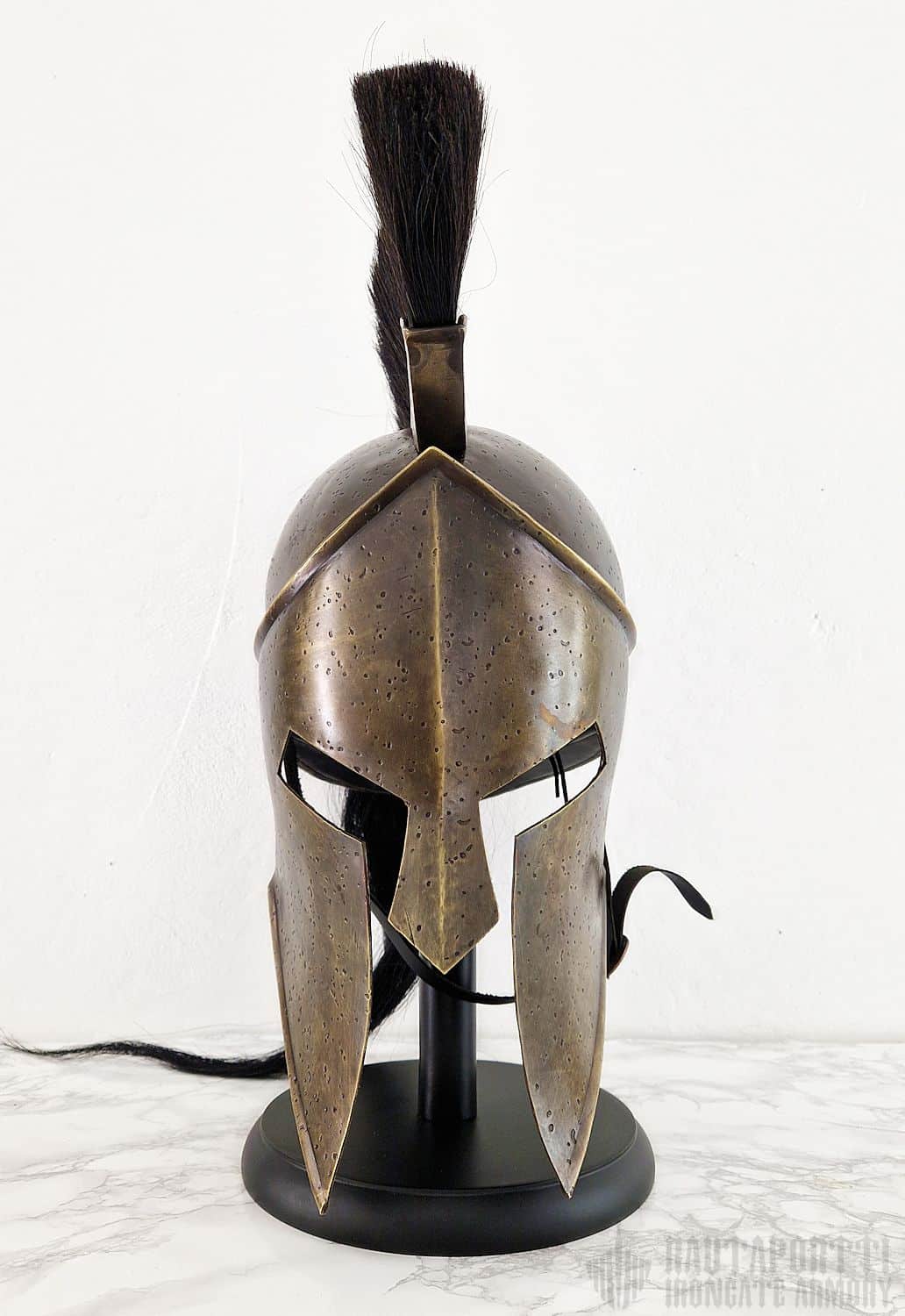
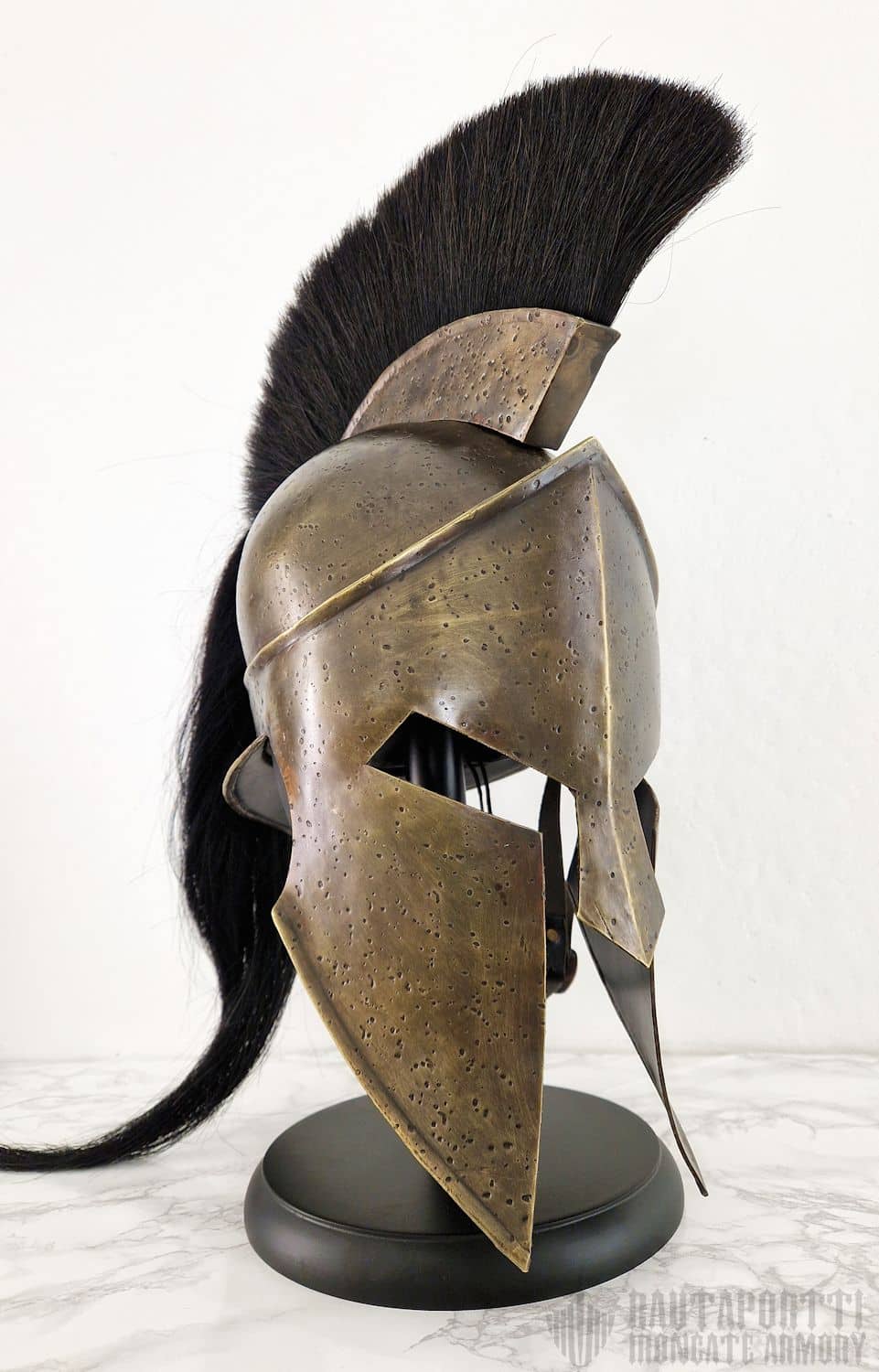
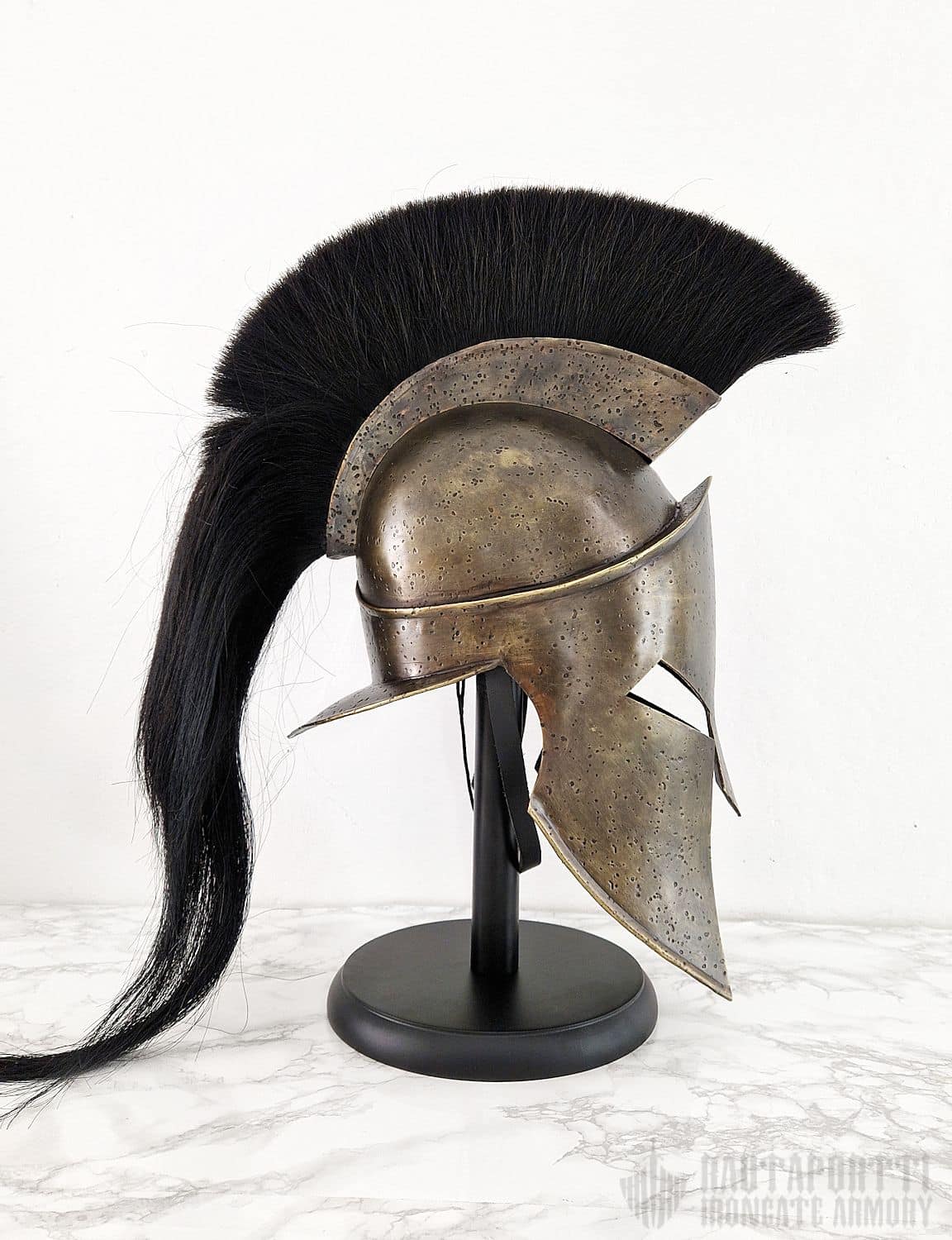
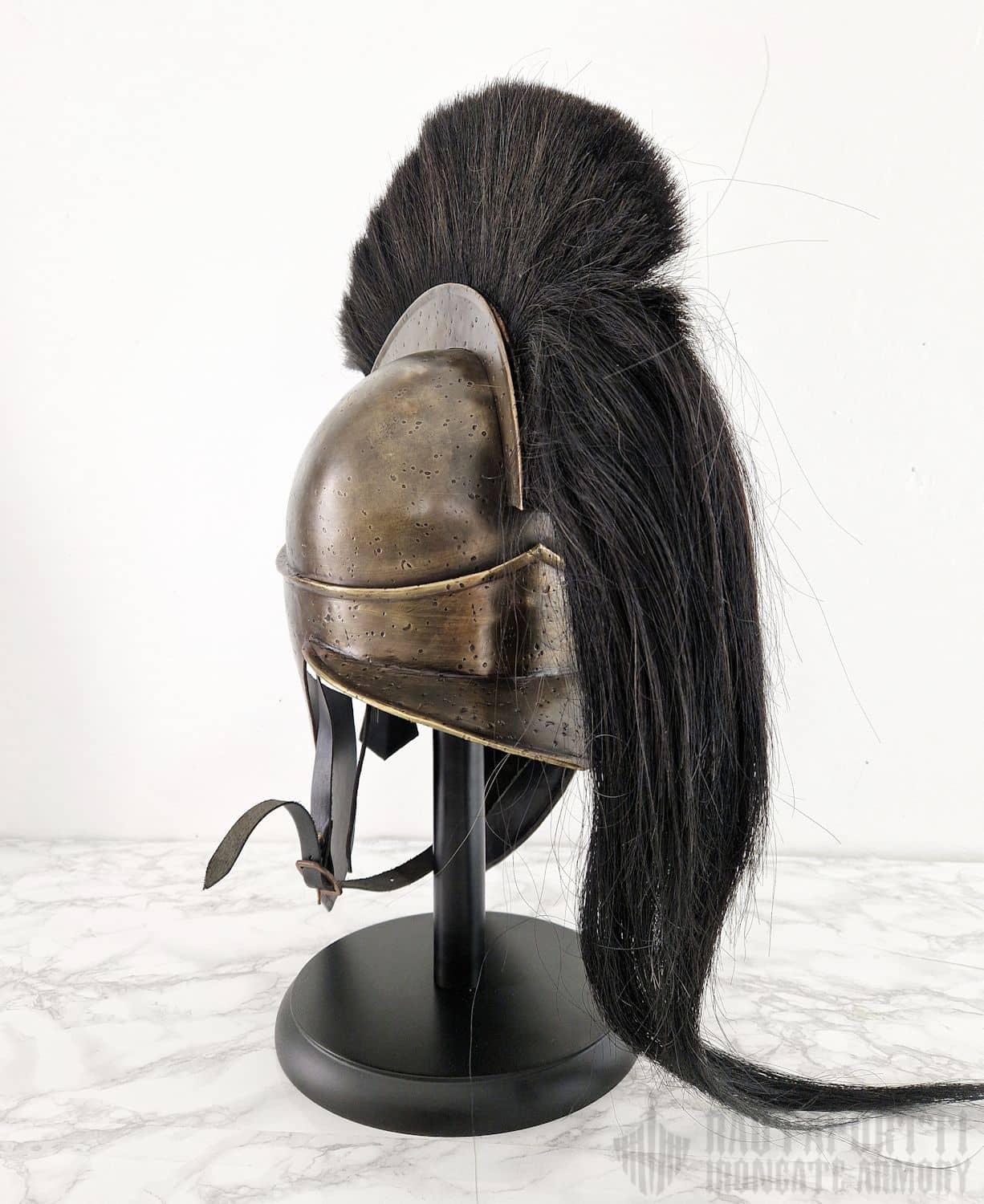
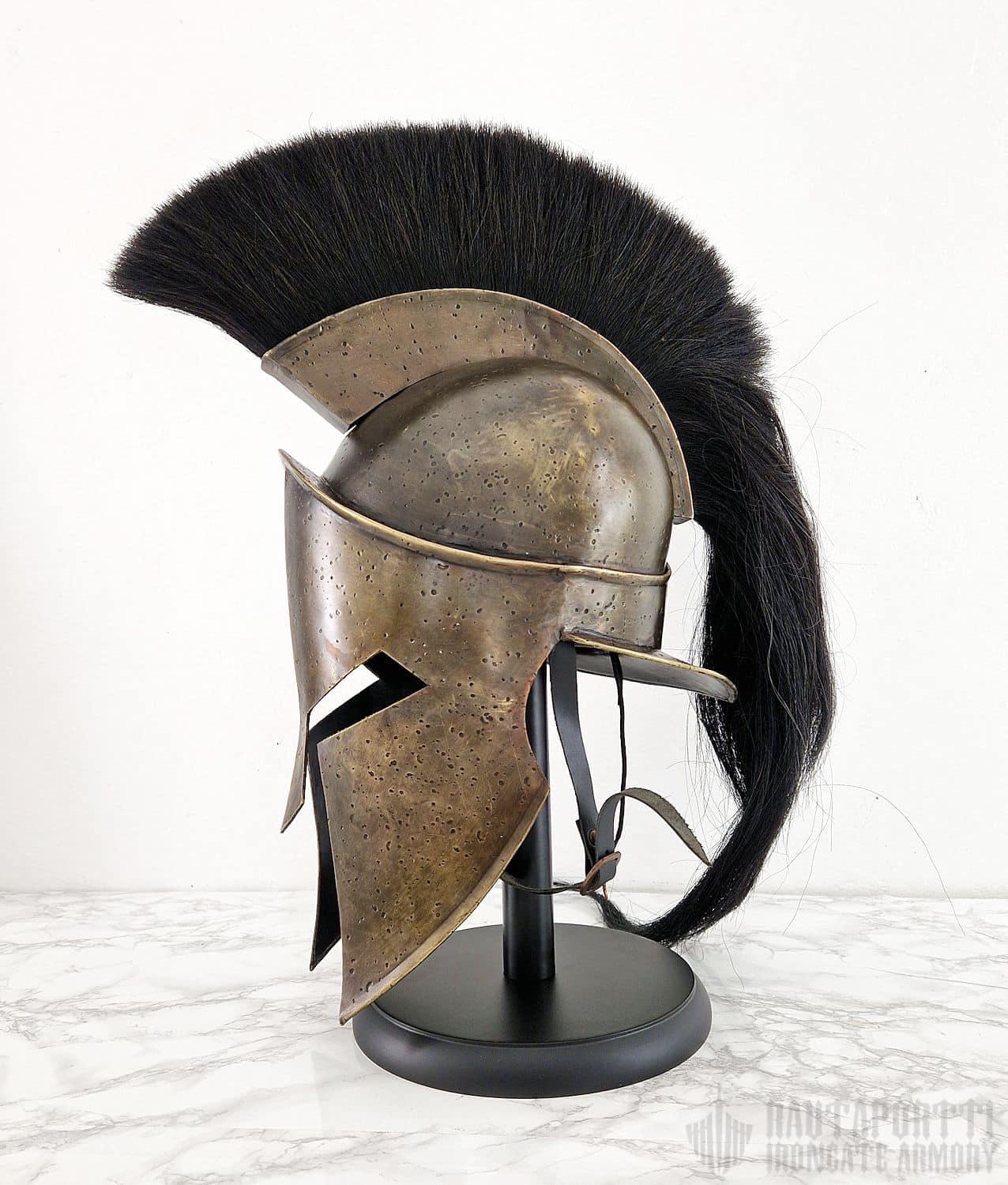
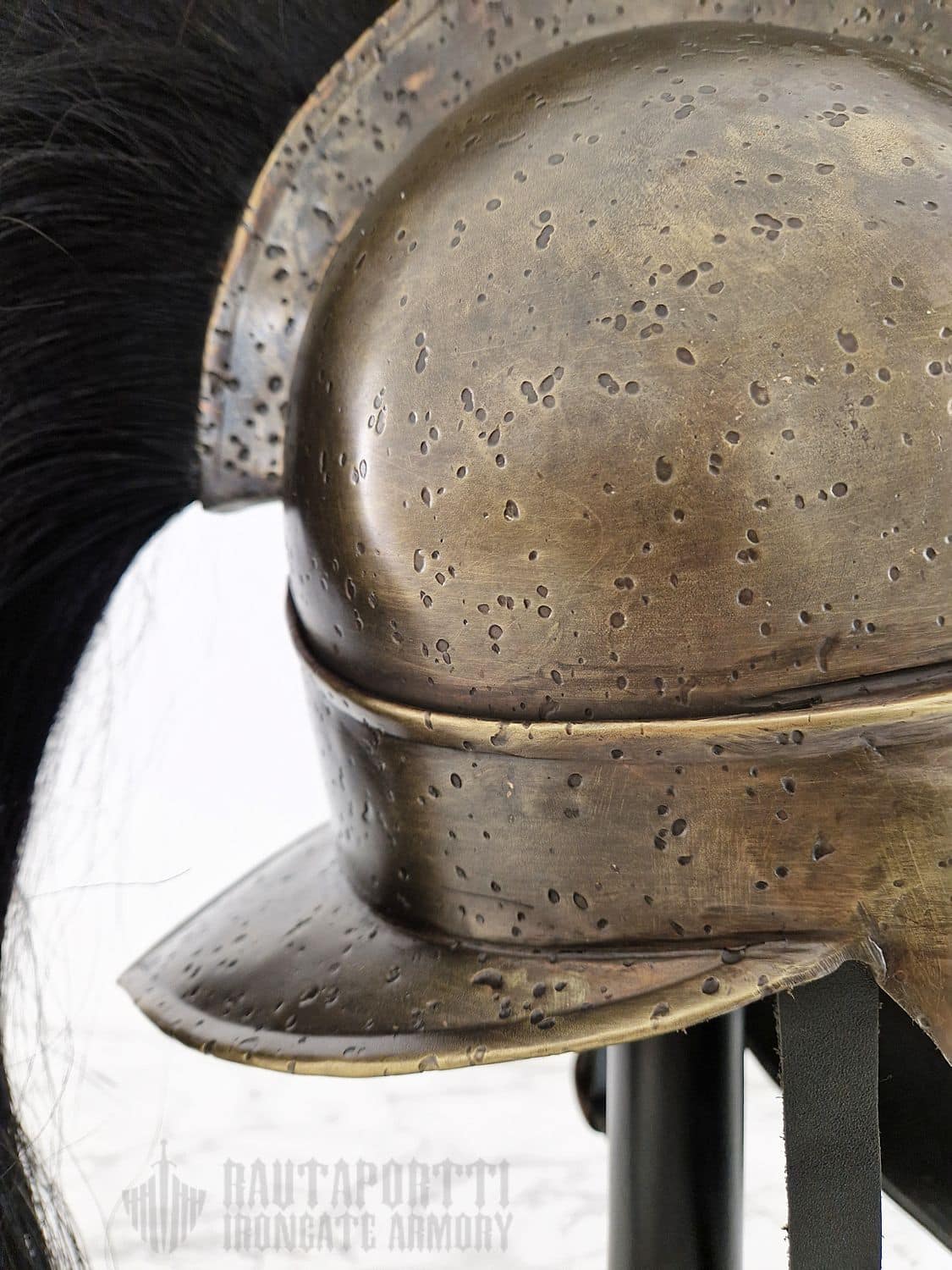
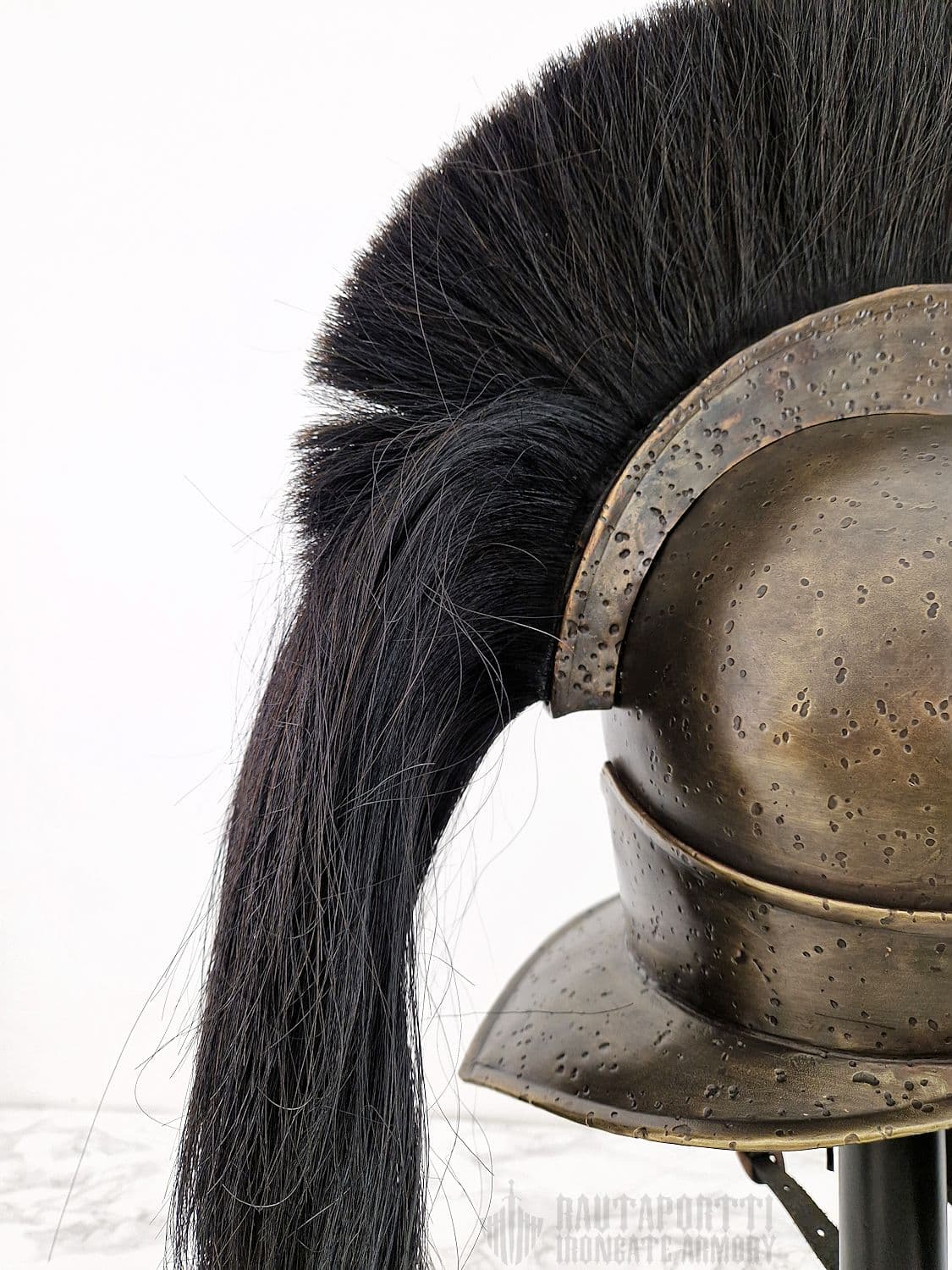
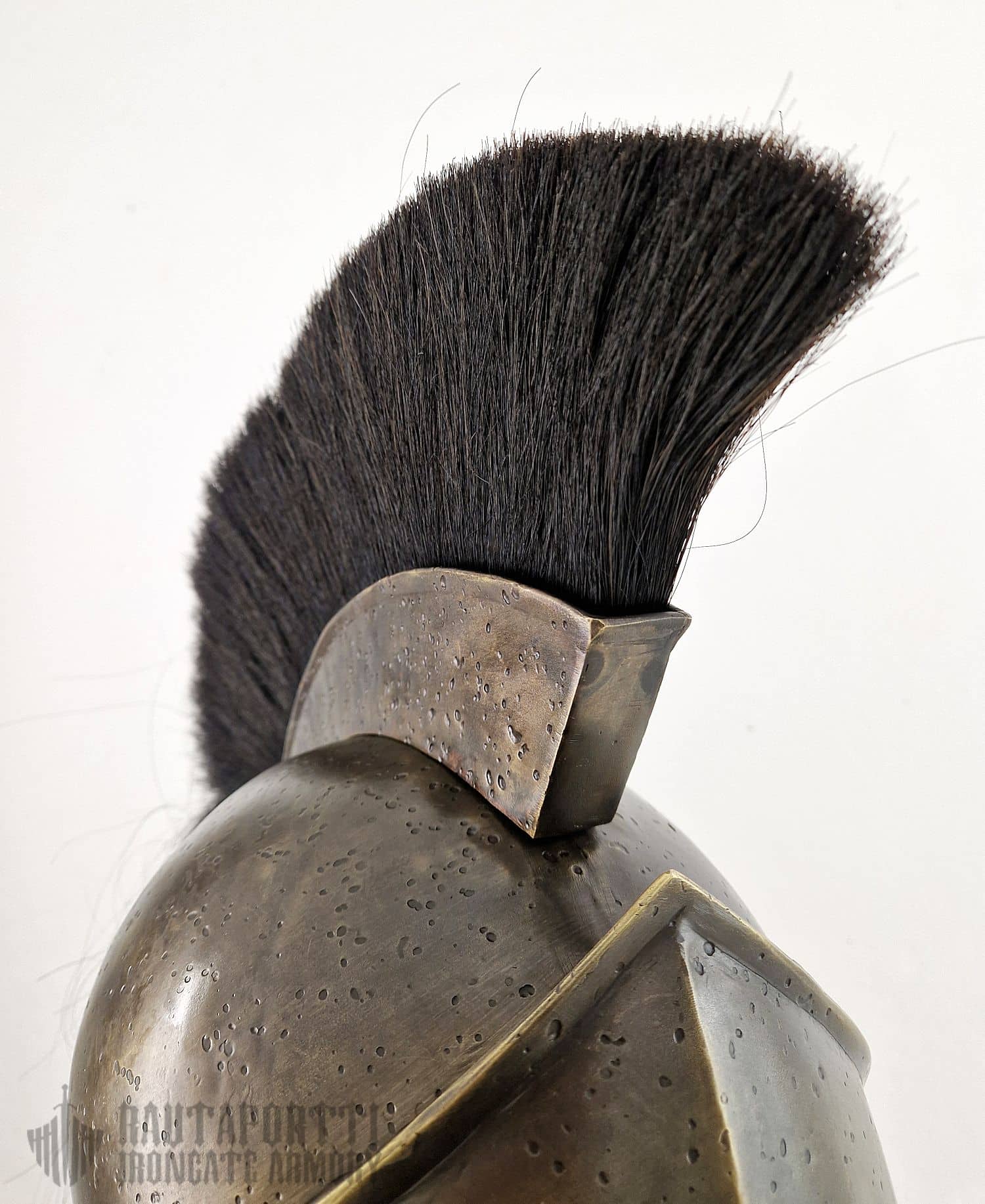
King Leonidas helmet
- This Helmet is similar to the one Leonidas used in the film “300.”
- Height: 50 cm
- Weight: 2,7 kg
- Made by Windlass Steelcrafts
238.50€
• Pickup: Immediately from store in Kaarina, Finland
Description of the Product
Cyrus the Great, the King of Kings, founded the first Persian Empire on the ruins of the Assyrians. By c.500 BCE, Darius I ruled an empire like none before and few since. But there were revolts (as there always are), and Darius had had it with the Greeks. Thus began the Greco-Persian wars, of which the great historian Herodotus tells us with vivid color. In 490 BCE, the advancing Persians were defeated for the first time at Marathon. It was up to Darius’ son Xerxes to get revenge. He set up the largest army imaginable (Herodotus and other contemporaries claim an army of millions; modern scholars estimate between 100-200 000 men), and set for Greece.
Meanwhile, the Greek city-states managed to cooperate against the Persians. However, when word spread that the Persian army was approaching, Sparta could only spare 300 men, led by King Leonidas, as the rest of the hoplites were observing a holy feast and partaking in the Olympic Games. Other city-states managed to send slightly larger troops, but all in all, the Greeks were so vastly outnumbered that they were marching to a near-certain death, as prophesied by the Oracle of Delphi.
The armies faced off at the pass of Thermopylae, a strategic defense for the Greeks. Xerxes demanded the Spartans give up their weapons, to which Leonidas famously answered, “Molon labe”, “Come and take them”. The Spartans, Thespians, and other Greeks made the Persians pay dearly, but after three days, during which they almost completely dismantled the world's first elite forces, “the Immortals”. The Greeks were betrayed and surrounded. Although they could have retreated, Leonidas chose to defend the pass and let the other Greek troops withdraw to fight another day; around 2,000 soldiers from Thebes, Thespia, and other city-states stayed behind to fight and die. Leonidas's refusal to retreat most likely gave rise to the myth that the Spartans never retreated. Contrary to popular belief, two Spartans actually lived to tell the tale, as the soldier known as Pantites was delivering a message and couldn't make it back in time for the battle. Later in life, he hanged himself from shame, and the other survivor, known as Aristodemus the coward, was ordered by Leonidas to retreat with Eurytus, due to both of them having severe eye infections. Eurytus, unlike Aristodemus, returned to the battle, dying blind. Herodotus believed that had both Aristodemus and Eurytus returned alive, or had Aristodemus alone been ill and excused from combat, the Spartans would have ascribed no blame to Aristodemus. Aristodemus was regarded as a coward and subjected to humiliation and disgrace at the hands of his compatriots; in the words of Herodotus, "no man would give him a light for his fire or speak to him; he was called Aristodemus the Coward. Later, he redeemed himself by dying in the decisive battle of Plataea.
To this day, the battle site has a memorial with the words: “Go tell the Spartans, passerby: That here, by Spartan law, we lie.” The Spartans' refusal to flee or surrender inspired the other Greeks. The following year, the largest-ever hoplite army was amassed, and the Persians were driven out of Greece, ending the Greco-Persian Wars with the decisive battles of Salamis and Plataea.
The battle of Thermopylae has inspired countless others since, with its ethos of a small but morally upstanding band of brothers fighting for a just cause, against a large herd of mindless drones. Their “give us freedom or give us death” vibe of fighting influenced, and to a certain extent still influences, patriotic armies who see themselves as defending their soil against invaders.
The battle still resonates in the modern era and has inspired many retellings since the time of Herodotus. The helmet of King Leonidas from Frank Miller’s 300, the graphic novel, was developed by working closely from the source material and in direct consultation with Frank Miller; this helmet is made as he envisioned it.
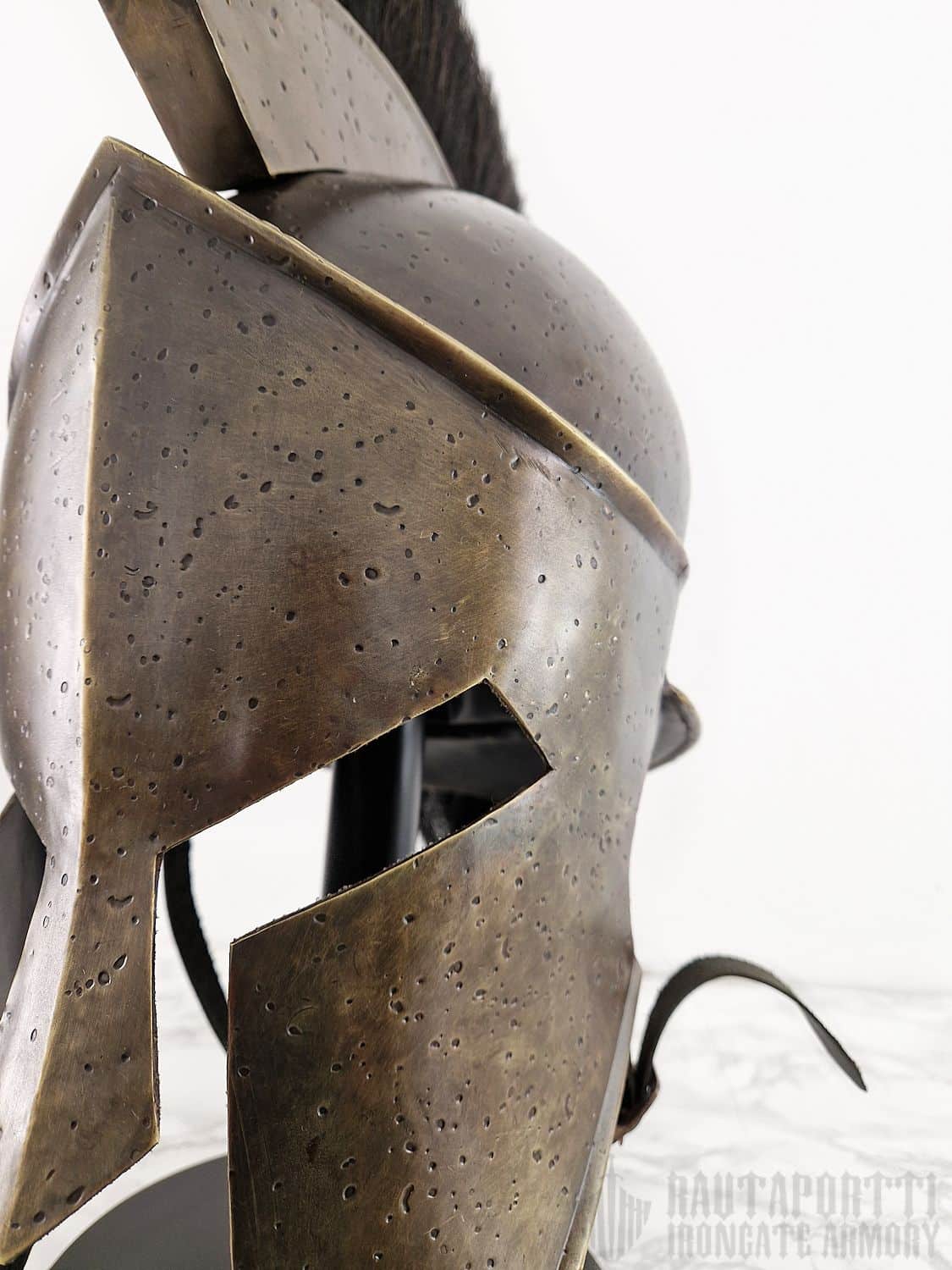
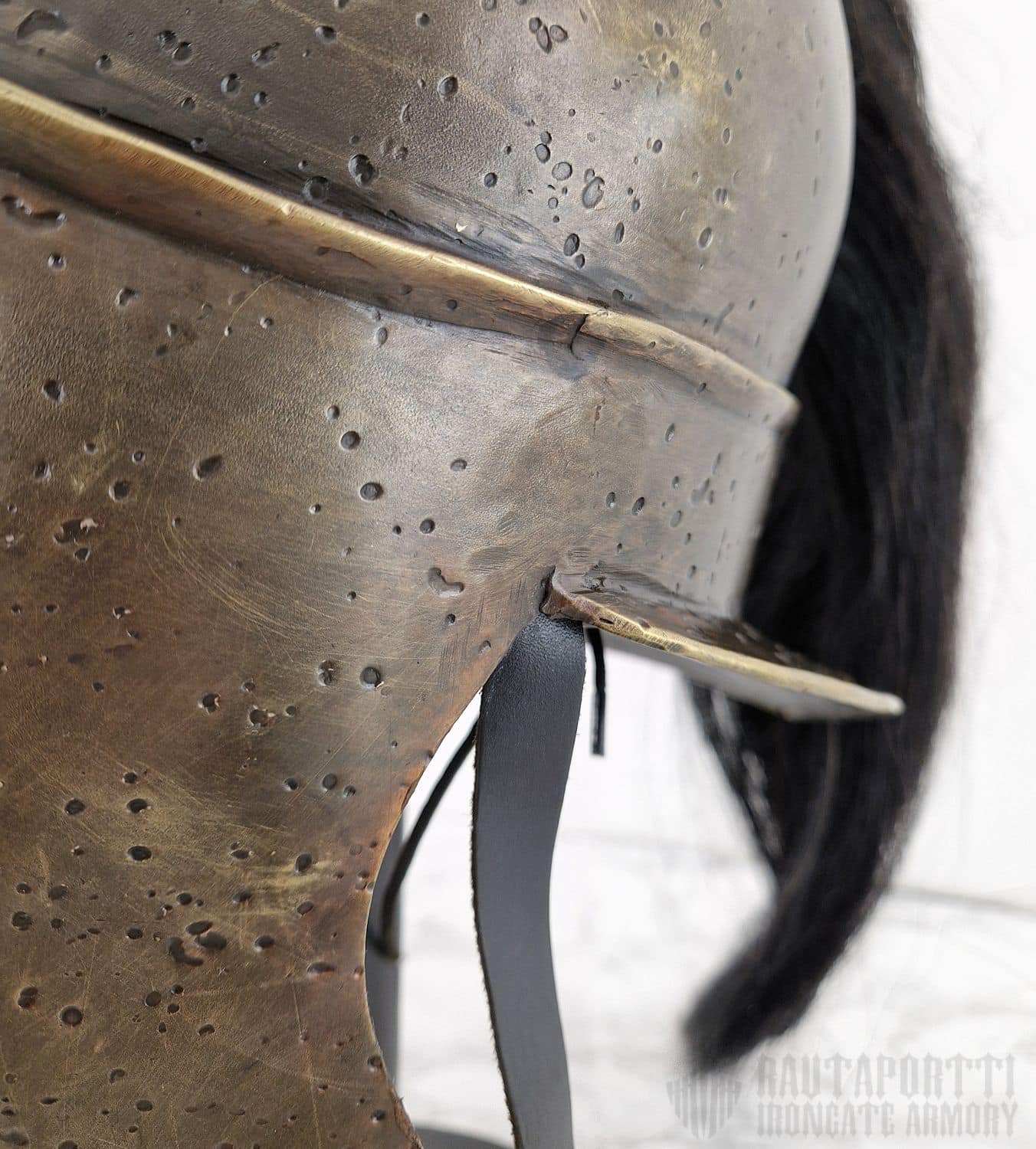
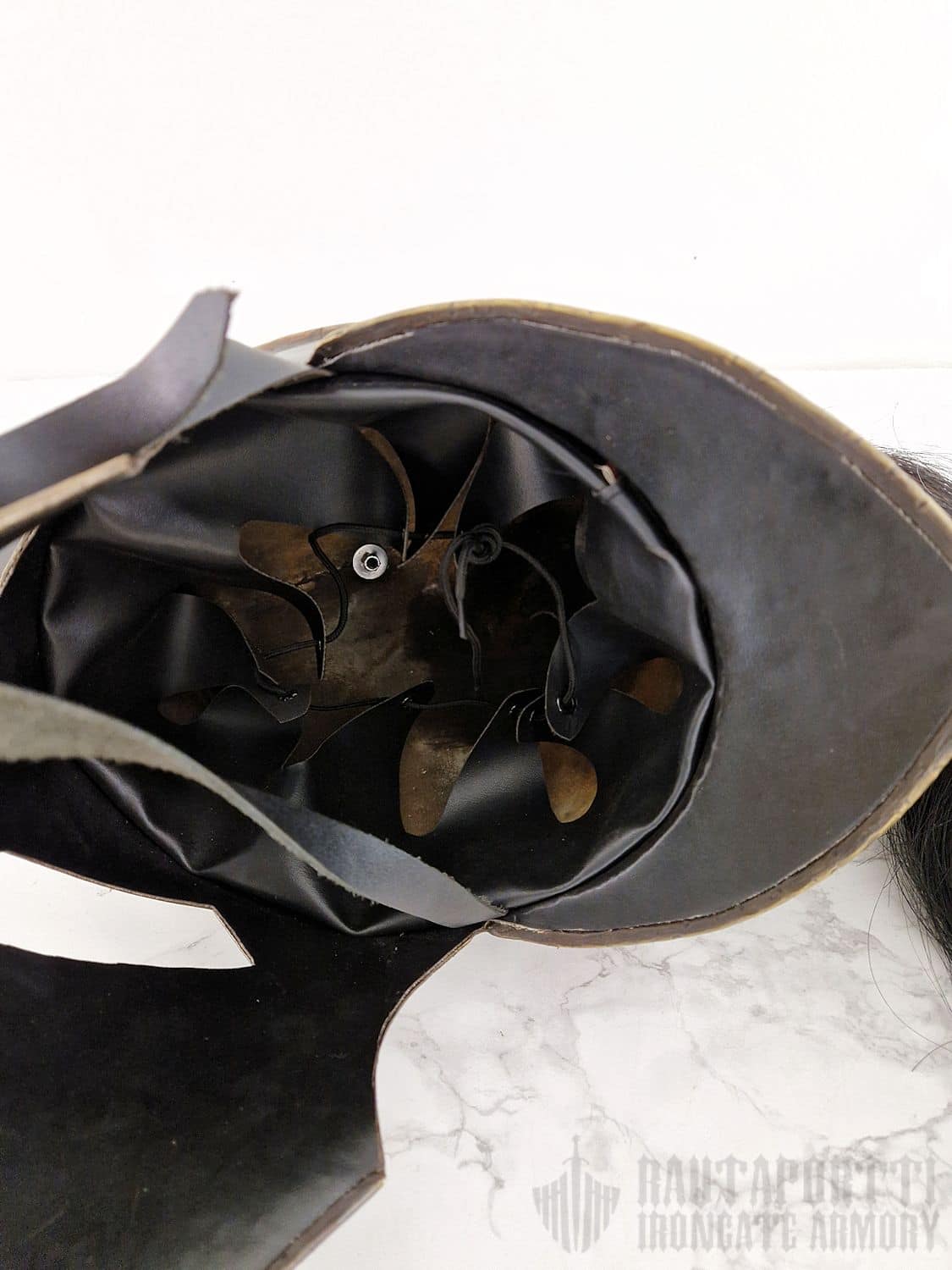
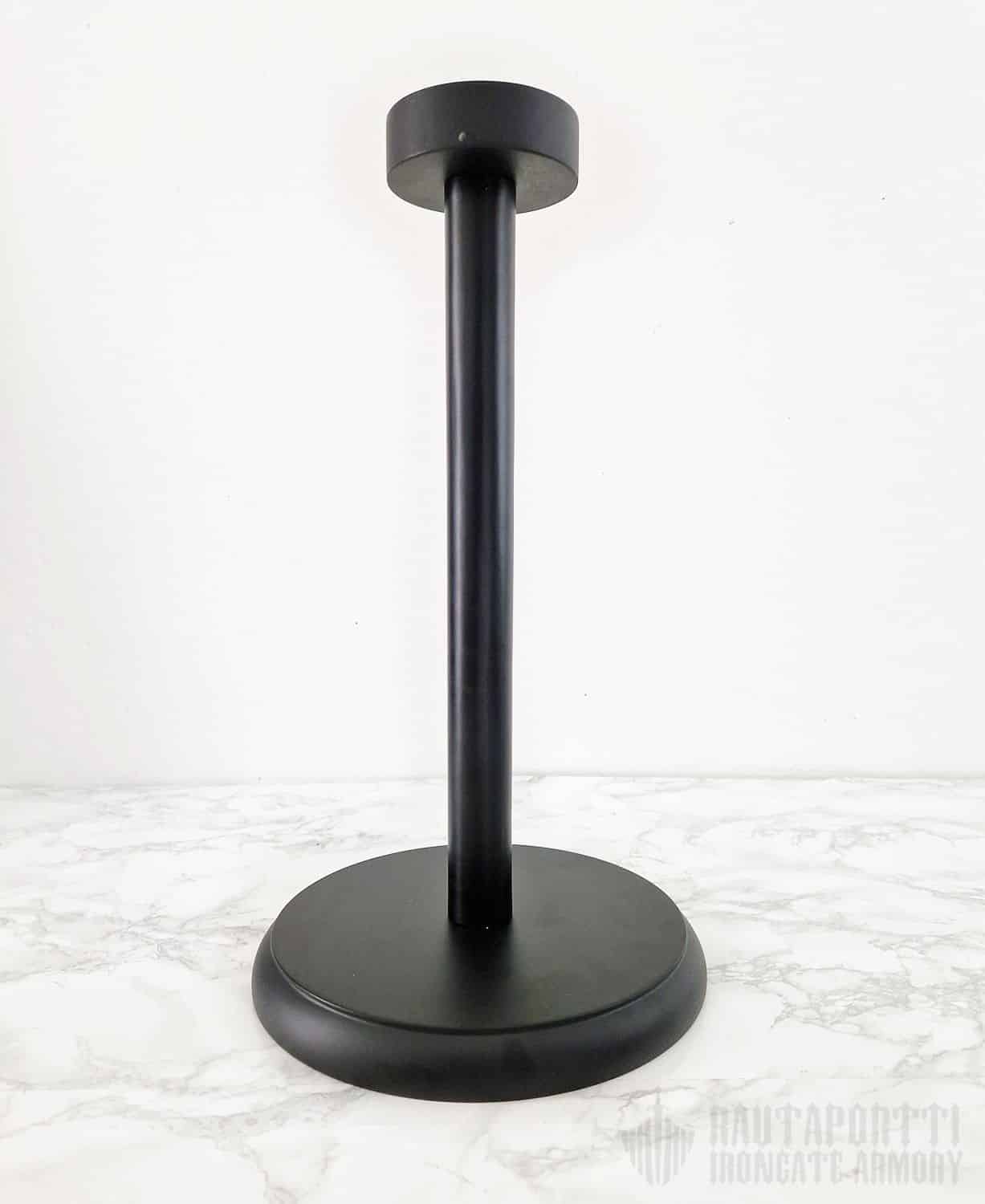
Made from the finest authentic materials, this incredible helmet is made of steel and plated in antiqued brass, fully lined in leather with an adjustable liner, and features a genuine horsehair crest. Includes display stand. The helmet stands an impressive 50 cm in height and weighs 2,7 kg
- This Helmet is identical to the one Leonidas used to protect himself during the famous “Battle of the Thermopylae” in the film “300.”
- Height: 50 cm
- Height with Stand: 57 cm
- Circumference: 60 cm
- Weight: 2,7 kg
- Made by Windlass Steelcrafts

Ordering from you was easy and delivery was quick!
thanks for the help when I needed it also.....
Customers who bought this were also interested in...


Products are located in our own storehouse
In Kaarina, Finland.
Fast shipping
Orders are shipped out within 24 hours of us receiving the order.
Purchase online or offline
You can also pickup your order at our store.
Flexible payments
We accept Credit Cards & Online Banks etc.




Our Store
All orders can also be picked up from the brick-and-mortar store at Oppipojankuja 1, 20780 Kaarina. 10min drive from the centre of Turku.
Welcome!
Reviews
There are no reviews yet.